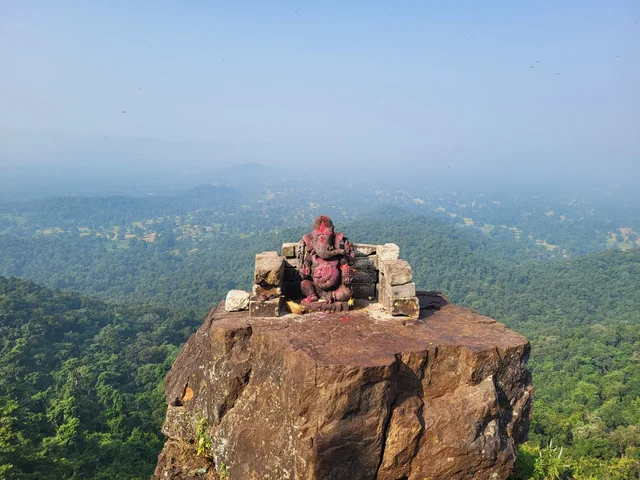
Chhattisgarh is a state located in central India, known for its rich cultural heritage, natural beauty, and historical significance. It was formed on November 1, 2000, after being carved out of Madhya Pradesh, making it one of the youngest states in India. Its name, “Chhattisgarh,” is derived from the Chhattis (36) forts, which were historically present in the region. The state’s capital is Raipur.
There are places that attract attention, and then there are places that quietly hold the essence of India within them. Chhattisgarh is one such land.
This is not a place of noise—it is a place of stillness, depth, and discovery.
Historical Legacy – Echoes from Ancient Forests
Chhattisgarh’s history is not defined by grand empires alone, but by civilizations that evolved in harmony with nature.
The region was once part of the ancient Dakshin Kosala kingdom and later saw the influence of dynasties like the Kalachuri Dynasty, who contributed to temple architecture and regional culture.
Its identity has always been shaped by tribal heritage, with communities preserving traditions that predate written history. During India’s freedom struggle, tribal revolts and local movements reflected a deep-rooted spirit of independence.
Raja Vishnu Deo, a notable ruler from the Gond dynasty, established his kingdom in the region of Chhattisgarh.
The region came under the influence of the Mughals in the 16th and 17th centuries, although local rulers still retained autonomy over the region. The Mughals recognized the local rulers and maintained control over the surrounding areas.
During the British colonial period, the region became part of the Central Provinces. The British primarily utilized the area’s abundant natural resources like coal and forests. They also faced resistance from the local tribes, notably the Gonds and other tribal communities.
The First War of Indian Independence in 1857 saw various uprisings and revolts in the region, where the tribals played an important role in challenging British rule.
Chhattisgarh is known for its rich tribal culture, with many indigenous communities residing here. The major tribal groups include the Gonds, Baigas, Marias, and Oraons. These tribes have their own languages, traditions, and festivals.
Chhattisgarh has a resource-driven economy. The state’s vast mineral wealth is a key driver of its economy. It is one of India’s largest producers of steel, coal, and cement. Major industries include:
Steel and Cement: Companies like Tata Steel, Jindal Steel, and UltraTech Cement have large plants in the state.
Power Generation: Chhattisgarh also plays a major role in India’s power sector with multiple thermal power plants.
Agriculture: Agriculture is another key sector, with crops like rice, maize, and pulses grown in large quantities. The region is also known for its production of tamarind and cotton.
FESTIVALS
The festivals of Chhattisgarh beautifully reflect the state’s rich tribal heritage, folk traditions, and deep cultural roots. Festivals like Bastar Dussehra, one of the longest Dussehra celebrations in the world, are uniquely celebrated with tribal rituals, grand processions, and traditional music. Other vibrant festivals such as Madai Festival and Hareli showcase the state’s close connection with nature, agriculture, and indigenous customs, making the celebrations colorful and distinctive.
CRAFTS
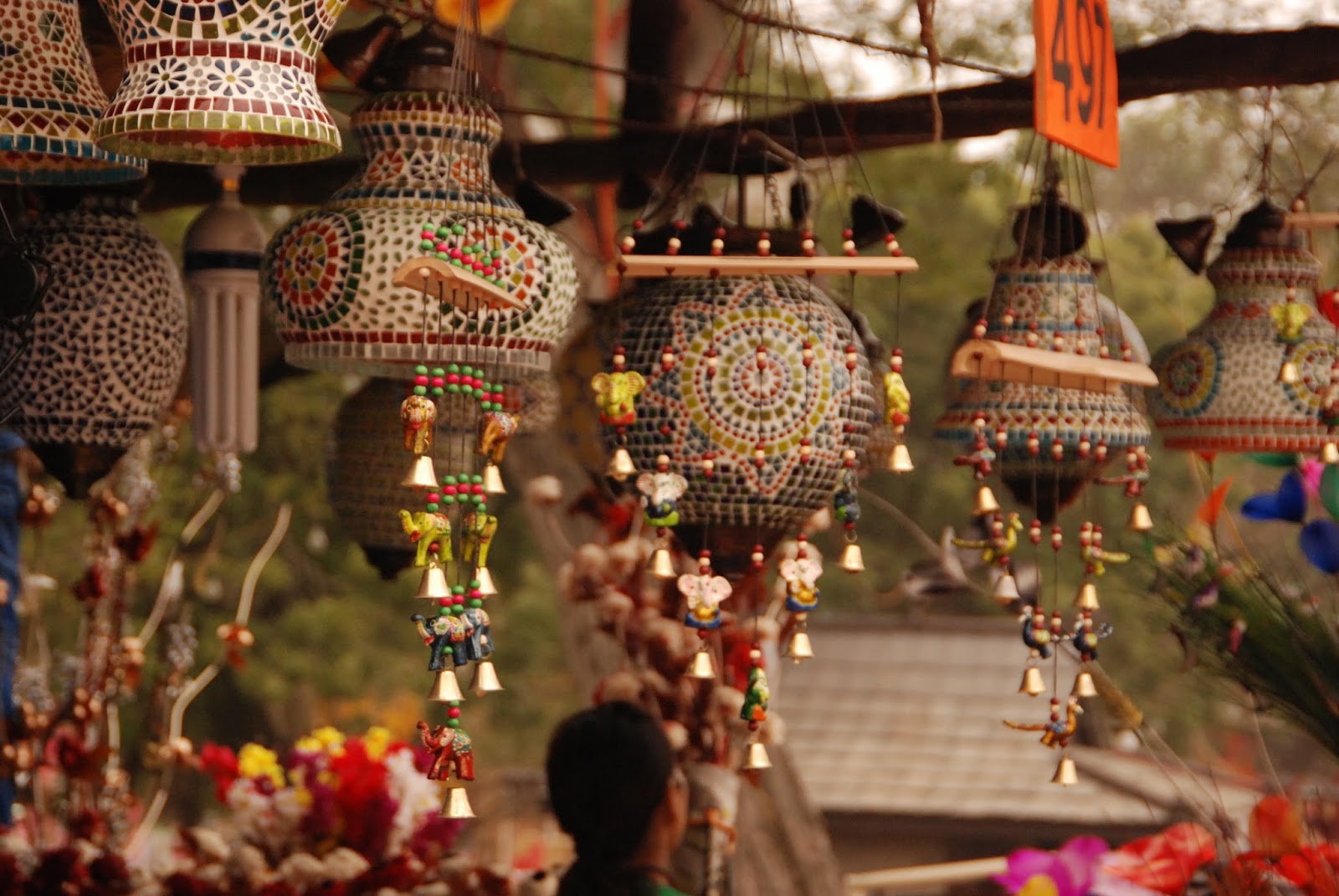
The handicrafts of Chhattisgarh are renowned for their tribal artistry, traditional techniques, and cultural richness. The state is especially famous for its exquisite bell metal craft, terracotta art, wood carving, and bamboo work created by skilled tribal artisans. Unique crafts like Dhokra Art are admired for their intricate handmade designs and ancient lost-wax casting technique, reflecting the vibrant heritage and creativity of the region.
HANDLOOM
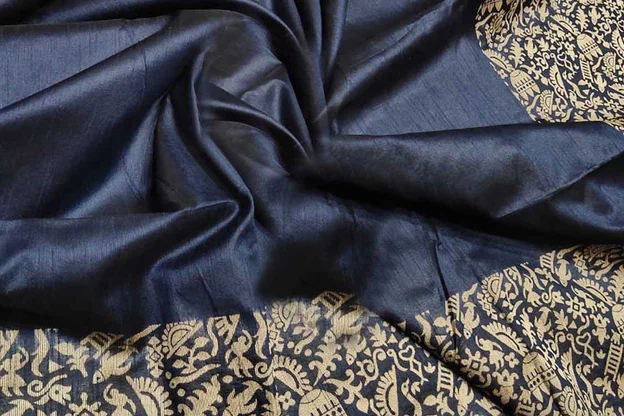
The handloom traditions of Chhattisgarh are known for their elegant weaving styles, vibrant colors, and tribal-inspired designs. The state is especially famous for the beautifully woven Kosa Silk, admired for its natural texture, durability, and rich appearance. Chhattisgarh’s handloom craftsmanship reflects a perfect blend of traditional artistry, cultural heritage, and rural craftsmanship passed down through generations.
DANCES
The folk dances of Chhattisgarh reflect the state’s vibrant tribal culture, festive spirit, and deep-rooted traditions. Popular dance forms like Panthi Dance, Raut Nacha, and Karma Dance are known for their energetic movements, traditional music, colorful attire, and strong connection to religious celebrations and tribal customs, making the dance culture of Chhattisgarh lively and unique.
Final Reflection
Chhattisgarh is not about spectacle—it is about substance.
It invites you to:
Listen to the silence of its forests
Witness traditions untouched by time
Experience nature in its most honest form
Discover a side of India that few truly know