
Indian Civilization


ANCIENT INDIA
Ancient India encompasses the formative periods of the Indian subcontinent’s civilizational history, spanning from prehistoric cultures and the Indus Valley Civilization to the rise of great kingdoms, empires, and classical traditions. This era witnessed remarkable developments in philosophy, science, literature, governance, trade, art, architecture, and spirituality that laid the foundations of Indian civilization. The study of Ancient India offers invaluable insights into the origins, evolution, and enduring legacy of one of the world’s oldest continuous civilizations.

BHARAT THROUGH THE AGES
Bharat Through the Ages explores the remarkable journey of the Indian civilization across thousands of years, tracing its evolution through changing political landscapes, cultural traditions, scientific achievements, spiritual thought, and social transformations. From ancient settlements and classical empires to the modern nation, this narrative highlights the continuity and resilience of India’s civilizational heritage while celebrating the diversity that has shaped its unique identity through the ages.

CIVILIZATION STUDIES
Civilization Studies examines the origin, growth, achievements, and enduring legacy of human civilizations through an interdisciplinary approach that draws upon history, archaeology, anthropology, literature, philosophy, and cultural studies. In the Indian context, it explores the development of one of the world’s oldest continuous civilizations, highlighting its contributions to governance, science, religion, art, language, trade, and intellectual traditions. This field offers a comprehensive understanding of the forces that have shaped India’s civilizational identity across millennia.

CONTEMPORARY INDIA
Contemporary India examines the nation’s ongoing journey in the decades following independence, highlighting its dynamic social, economic, political, cultural, scientific, and technological developments. As one of the world’s largest democracies and fastest-growing economies, India continues to evolve while preserving its rich civilizational heritage. This field explores the opportunities, achievements, and challenges that define modern India in an increasingly interconnected global landscape.

HISTORICAL SOURCES
Historical Sources are the primary and secondary materials that enable scholars to reconstruct and understand the history of India. These include archaeological discoveries, inscriptions, manuscripts, literary works, coins, monuments, travel accounts, oral traditions, archival records, and other forms of material and documentary evidence. Together, they provide invaluable insights into India’s political, social, economic, cultural, and intellectual evolution while preserving the authentic record of its civilizational journey.
MEDIEVAL INDIA
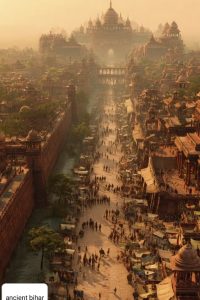
Medieval India represents a transformative period in the country’s history marked by the emergence of powerful kingdoms, regional dynasties, expanding trade networks, evolving artistic traditions, and significant cultural interactions. This era witnessed remarkable developments in architecture, literature, administration, religion, technology, and urban growth, leaving a profound impact on India’s social and cultural landscape. The study of Medieval India reveals the complexity, diversity, and dynamism that shaped the nation’s historical evolution.
MODERN INDIA
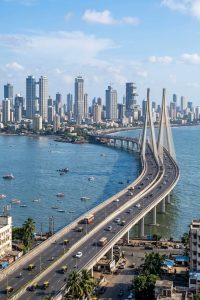
Modern India explores the political, social, economic, intellectual, and cultural developments that have shaped the nation from the colonial period to independence and beyond. It encompasses the rise of reform movements, the struggle for freedom, constitutional development, industrialization, scientific progress, democratic institutions, and the emergence of India as a modern republic. Understanding Modern India provides valuable perspectives on the events and ideas that continue to influence the country’s present and future.