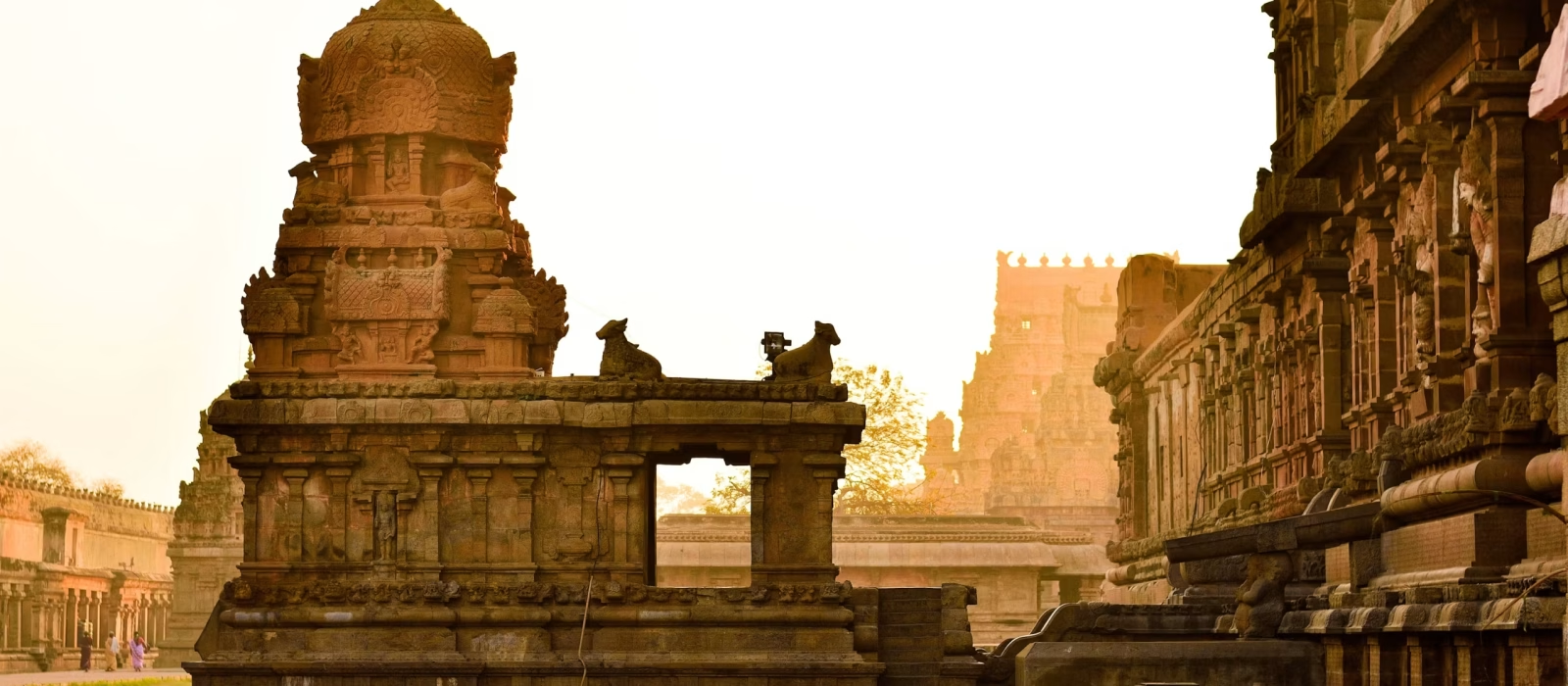
The Dravida Style is one of the principal traditions of Indian temple architecture, flourishing predominantly in the southern regions of the subcontinent. Characterized by pyramidal temple towers (Vimanas), monumental gateway towers (Gopurams), intricately carved pillars, spacious temple complexes, and finely sculpted mandapas, this architectural tradition reflects remarkable achievements in engineering, artistry, and sacred design. The study of the Dravida style offers valuable insights into the evolution of South India’s architectural, religious, and cultural heritage.
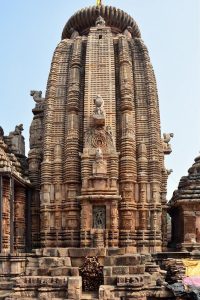
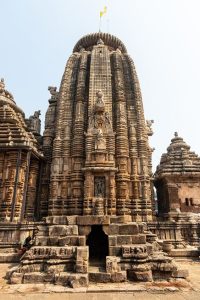
The Nagara Style is one of the major traditions of Indian temple architecture, found primarily across northern and central India. Distinguished by its soaring curvilinear towers (Shikharas), ornate carvings, sculptural richness, and harmonious architectural proportions, the Nagara style evolved into numerous regional variations over the centuries. Its temples stand as enduring expressions of India’s artistic excellence, spiritual ideals, and architectural innovation.
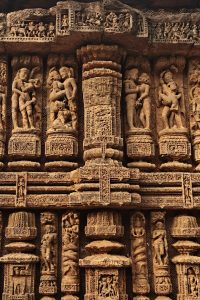
Temple Iconography is the study of the symbols, sculptures, images, and visual representations found in Indian temples. It explores the forms, attributes, gestures, proportions, and symbolic meanings of deities, celestial beings, mythological figures, and decorative motifs as prescribed in classical texts and artistic traditions. Through the interpretation of these sacred visual elements, temple iconography provides deeper insights into India’s religious philosophy, artistic heritage, and cultural symbolism.
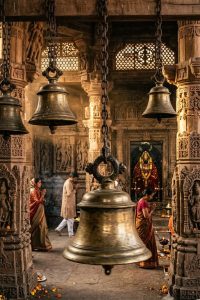
Temple Rituals encompass the sacred ceremonies, devotional practices, festivals, and daily observances performed within India’s temples in accordance with established religious traditions. These rituals include worship, offerings, recitation of sacred texts, music, processions, and seasonal celebrations that preserve centuries-old customs and spiritual disciplines. The study of temple rituals offers valuable insights into India’s living religious traditions and the enduring relationship between sacred spaces, community life, and devotional practice.
The Vesara Style represents a distinctive tradition of Indian temple architecture that combines architectural elements of both the Nagara and Dravida styles. Flourishing primarily in the Deccan region, Vesara temples are celebrated for their harmonious proportions, intricate carvings, richly ornamented pillars, and innovative structural designs. This architectural synthesis reflects the artistic creativity, technical mastery, and cultural exchanges that shaped the evolution of India’s temple-building traditions.
India has countless stories to tell. We’re just getting started.
India has over 5,000 years of stories, traditions and craftsmanship. Bringing them together is a journey—and we’re delighted that you’re joining us from the very beginning.
Because India’s treasures are vast and thoughtfully curated, our collection will continue to grow every single day. New products, new collections and new discoveries are being added regularly from different parts of the country.
We invite you to return often—there will always be something new waiting to be discovered.
Thank you for being among the first to begin this journey with us.