
Indian Philosophy


BUDDHIST PHILOSOPHY
Buddhist Philosophy explores the profound teachings that emerged from the life and insights of the Buddha, examining the nature of existence, suffering, consciousness, ethics, and the path to liberation. Over centuries, diverse philosophical schools developed rich traditions of inquiry into logic, metaphysics, epistemology, and psychology, influencing intellectual thought across Asia and beyond. The study of Buddhist philosophy continues to offer timeless perspectives on wisdom, compassion, mindfulness, and the pursuit of human flourishing.

COMPARATIVE PHILOSOPHY
Comparative Philosophy examines the ideas, concepts, and methods of different philosophical traditions to explore their similarities, distinctions, and shared insights. In the Indian context, it enables meaningful dialogue between the diverse schools of Indian philosophy as well as between Indian and global philosophical traditions. By fostering critical inquiry and cross-cultural understanding, comparative philosophy enriches the study of ethics, metaphysics, epistemology, logic, and the nature of human existence.

JAIN PHILOSOPHY
Jain Philosophy presents a comprehensive system of thought centered on non-violence (Ahimsa), truth, self-discipline, and the pursuit of liberation through ethical living and spiritual practice. It offers profound insights into the nature of reality, the soul, karma, knowledge, and moral responsibility, while emphasizing compassion toward all living beings. Through its rich philosophical literature and logical traditions, Jain philosophy has made enduring contributions to India’s intellectual and spiritual heritage.

KASHMIR SHAIVISM
Kashmir Shaivism is a sophisticated philosophical and spiritual tradition that flourished in the Kashmir region, presenting a non-dual vision of reality centered on the universal consciousness of Shiva. Through profound metaphysical inquiry, meditation, and contemplative practices, it explores the relationship between the individual self and the ultimate reality, emphasizing self-recognition and spiritual awakening. Renowned for its rich literary and philosophical heritage, Kashmir Shaivism remains one of the most influential schools of Indian thought.
MIMAMSA
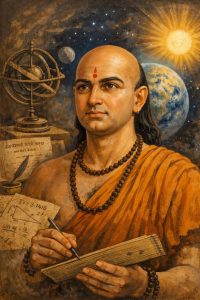
Mimamsa is one of the classical schools of Indian philosophy, devoted primarily to the interpretation of the Vedas and the understanding of ritual, duty, and ethical action. It developed sophisticated principles of textual analysis, logic, and epistemology to explain the authority of sacred literature and the significance of righteous conduct. Its contributions have profoundly influenced Indian philosophy, jurisprudence, linguistics, and hermeneutics.

NYAYA
Nyaya is the classical Indian school of logic and epistemology that emphasizes rational inquiry, critical reasoning, and valid methods of acquiring knowledge. It systematically examines perception, inference, comparison, and testimony as reliable sources of understanding while developing rigorous frameworks for debate and philosophical analysis. Nyaya has played a foundational role in shaping the intellectual traditions of India, influencing numerous philosophical schools across centuries.

SAMKHYA
Samkhya is one of the oldest and most influential schools of Indian philosophy, offering a systematic analysis of reality through the interaction of consciousness (Purusha) and material nature (Prakriti). It presents a comprehensive framework for understanding the universe, human experience, and the causes of suffering, while emphasizing discernment as the path to liberation. Its philosophical principles have profoundly influenced Yoga and many other traditions within Indian thought.

TANTRA
Tantra encompasses a diverse body of philosophical, spiritual, and ritual traditions that seek transformation through the integration of knowledge, meditation, symbolism, mantra, and disciplined practice. Rooted in several Indian religious traditions, Tantra explores the relationship between the individual and the cosmic, emphasizing the realization of higher consciousness through both contemplative and ritual means. Its rich textual and philosophical heritage has significantly influenced spirituality, art, literature, and religious practice across the Indian subcontinent.
VAISHESHIKA
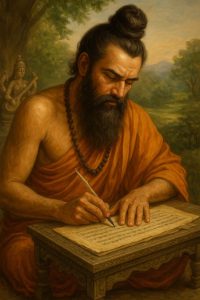
Vaisheshika is one of the classical schools of Indian philosophy, renowned for its systematic inquiry into the nature of reality through the classification of substances, qualities, motion, universals, and causation. It presents an analytical framework for understanding the physical and metaphysical world, combining logical reasoning with philosophical investigation. Closely associated with the Nyaya tradition, Vaisheshika has made enduring contributions to Indian metaphysics and natural philosophy.
VEDANTA
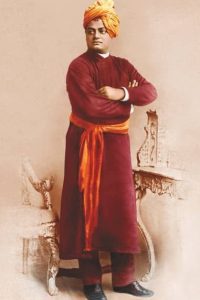
Vedanta is one of the most influential traditions of Indian philosophy, drawing its foundations from the Upanishads, the Bhagavad Gita, and the Brahma Sutras. It explores profound questions concerning the nature of reality, the self, consciousness, and the ultimate truth, giving rise to several distinguished schools of interpretation over the centuries. Through its emphasis on self-knowledge, spiritual inquiry, and liberation, Vedanta has shaped religious, philosophical, and cultural thought in India and around the world.
YOGA
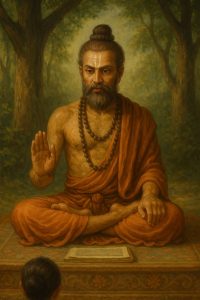
Yoga is one of India’s most enduring philosophical and practical traditions, offering a holistic path toward physical well-being, mental discipline, ethical living, and spiritual realization. Rooted in classical philosophical thought, Yoga integrates principles of self-awareness, meditation, concentration, and disciplined practice to harmonize the body, mind, and consciousness. Beyond its physical practices, Yoga represents a profound system of philosophy that continues to inspire seekers of health, wisdom, and inner transformation across the world.