
Indian History
ECONOMIC HISTORY
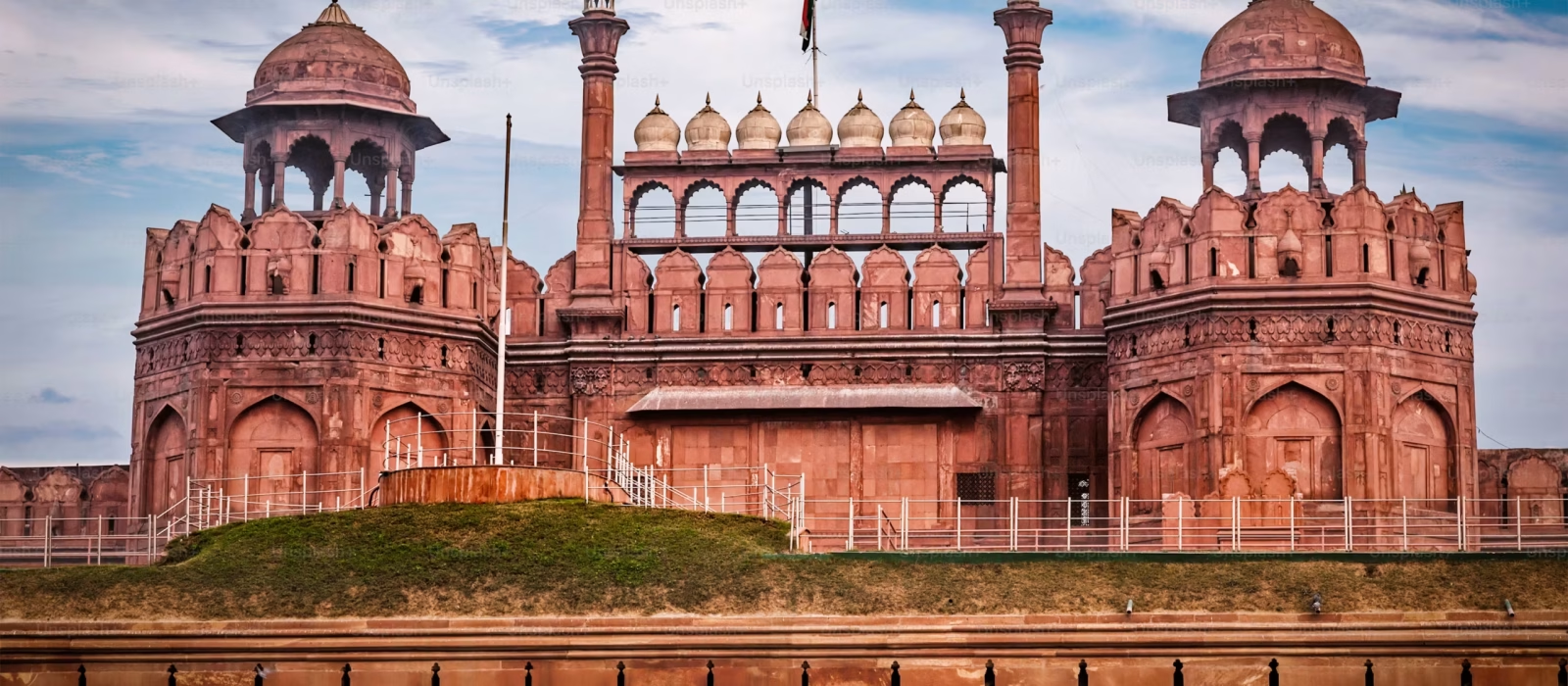
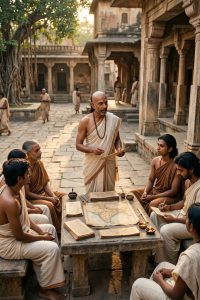
Economic History explores the evolution of India’s systems of production, trade, commerce, agriculture, taxation, industry, and finance across different periods of its civilizational journey. Drawing upon archaeological discoveries, inscriptions, literary sources, coins, and historical records, it examines how economic institutions, markets, technologies, and trade networks shaped society and contributed to the growth of kingdoms, empires, and modern India. The study of economic history provides valuable insights into the forces that have influenced India’s prosperity, resilience, and development over millennia.
FREEDOM MOVEMENT
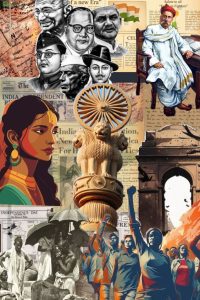
India’s Freedom Movement was a defining chapter in the nation’s history, representing the collective struggle for independence from colonial rule. Spanning several decades, it brought together leaders, reformers, revolutionaries, thinkers, and millions of ordinary citizens who contributed through diverse movements, ideologies, and forms of resistance. The movement not only secured India’s independence but also shaped the ideals of democracy, justice, equality, and national unity that continue to guide the Republic today.

HISTORICAL DOCUMENTS
Historical Documents are invaluable records that preserve the political, social, cultural, legal, and administrative history of India across different eras. These include royal edicts, treaties, manuscripts, official records, letters, legal codes, archival materials, maps, and other documentary sources that provide authentic evidence of past events and institutions. Together, they enable scholars and researchers to reconstruct India’s civilizational journey while offering deeper insights into its governance, society, and intellectual traditions.

HISTIOGRAPHY
Historiography is the study of how history has been researched, interpreted, written, and preserved over time. In the Indian context, it examines the diverse traditions of historical writing, ranging from ancient chronicles, inscriptions, and literary works to modern historical scholarship and interdisciplinary research. By exploring different sources, methodologies, and perspectives, historiography provides a deeper understanding of how India’s past has been documented and interpreted across generations.

MARITIME HISTORY
Maritime History explores India’s enduring relationship with the seas, tracing the development of navigation, shipbuilding, coastal settlements, ports, naval power, and overseas trade across thousands of years. Blessed with an extensive coastline, India has long been a centre of maritime commerce and cultural exchange, connecting the subcontinent with regions across Asia, Africa, the Middle East, and Europe. The study of maritime history reveals the vital role of the oceans in shaping India’s economic prosperity, cultural interactions, and strategic significance.

MILITARY HISTORY
Military History examines the evolution of warfare, defence, military organization, strategy, weaponry, and leadership throughout India’s long and diverse history. From ancient kingdoms and imperial armies to medieval fortifications and modern armed forces, it explores the conflicts, campaigns, innovations, and institutions that have shaped the nation’s security and political landscape. This field also highlights the contributions of military leaders, technological advancements, and strategic thought that have influenced India’s historical development.

POLITICAL HISTORY
Political History explores the evolution of governance, leadership, state formation, diplomacy, administration, and political institutions across India’s civilizational journey. It examines the rise and fall of kingdoms, empires, republics, princely states, and modern democratic institutions, alongside the ideas and movements that have shaped public life and governance. Through the study of rulers, policies, constitutional developments, and political thought, political history provides valuable insights into the forces that have shaped India’s national identity and historical trajectory.
POST INDEPENDENCE INDIA
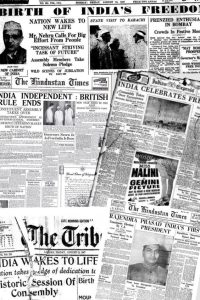
Post-Independence India examines the nation’s remarkable journey since 1947, tracing its transformation into the world’s largest democracy and one of the fastest-growing economies. This period encompasses the framing of the Constitution, nation-building, economic reforms, scientific and technological advancements, social change, cultural evolution, and India’s expanding role in global affairs. The study of post-independence India provides valuable insights into the achievements, challenges, and aspirations that continue to shape the country’s modern identity.
REGIONAL HISTORY
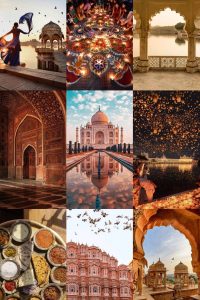
Regional History explores the unique historical development of India’s states, regions, and local communities, highlighting the diverse political, cultural, economic, and social experiences that have contributed to the nation’s civilizational mosaic. From ancient kingdoms and regional dynasties to local traditions, languages, architecture, and cultural movements, it reveals how distinct regional identities have evolved while remaining interconnected within the broader narrative of Indian history. The study of regional history enriches our understanding of India’s remarkable diversity and shared heritage.
SOCIAL HISTORY
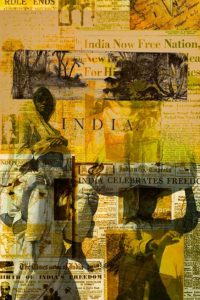
Social History examines the everyday lives, institutions, customs, communities, and social transformations that have shaped Indian society across different periods. It explores themes such as family, education, occupations, social organization, gender, traditions, festivals, migration, and the changing relationships between communities over time. Drawing upon literary works, archaeological evidence, historical records, and oral traditions, social history provides a deeper understanding of how people lived, interacted, and contributed to the continuous evolution of India’s civilization.