
Indian Architecture


ANCIENT ARCHITECTURE
Ancient Indian Architecture reflects the ingenuity, artistic excellence, and scientific understanding of one of the world’s oldest civilizations. From the urban planning of the Indus Valley Civilization to the evolution of temples, monasteries, caves, stupas, and civic structures, India’s architectural heritage demonstrates remarkable achievements in engineering, aesthetics, and craftsmanship. Built across diverse geographical and cultural landscapes, these enduring monuments continue to illuminate the country’s rich traditions of design, construction, and architectural innovation.

FORTS
India’s forts stand as enduring symbols of the country’s military ingenuity, architectural brilliance, and royal heritage. Constructed across hills, deserts, forests, and coastal regions, these formidable structures served as centres of defence, administration, governance, and culture for numerous kingdoms and empires. Their imposing walls, gateways, palaces, temples, water systems, and strategic planning offer valuable insights into India’s political history, engineering expertise, and architectural traditions across the centuries.
PALACE ARCHITECTURE
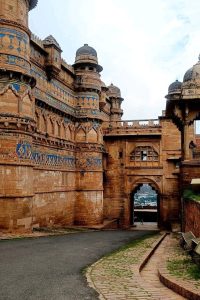
Palace Architecture in India reflects the grandeur, artistic refinement, and cultural sophistication of the country’s royal courts and princely states. Designed as centres of governance and royal residence, Indian palaces showcase a remarkable blend of regional traditions, intricate craftsmanship, engineering excellence, and aesthetic innovation. From majestic halls and courtyards to elaborate gardens, pavilions, and decorative arts, these architectural masterpieces preserve the legacy of India’s dynasties and their enduring contributions to art, culture, and design.
STEPWELLS
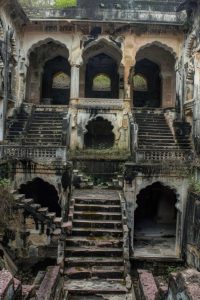
Stepwells are among India’s most distinctive architectural achievements, combining engineering ingenuity with artistic expression and community utility. Built to conserve and access water in regions with seasonal rainfall, these remarkable structures feature intricately designed stairways, pavilions, sculptures, and ornamental carvings descending to groundwater reservoirs. Beyond their practical purpose, stepwells served as places of social gathering, spiritual reflection, and cultural exchange, illustrating India’s advanced understanding of water management and sustainable architecture.

URBAN PLANNING
Urban Planning has been a defining feature of India’s architectural heritage since the earliest phases of its civilization. From the meticulously planned cities of the Indus Valley Civilization to the fortified capitals, temple towns, and historic urban centres of later periods, Indian settlements reflect sophisticated approaches to spatial organization, water management, transportation, sanitation, public spaces, and civic infrastructure. These planning traditions demonstrate a deep understanding of environmental adaptation, social organization, and sustainable urban development, leaving a lasting legacy that continues to inspire architects, historians, and planners today.