
Dharma & Religion
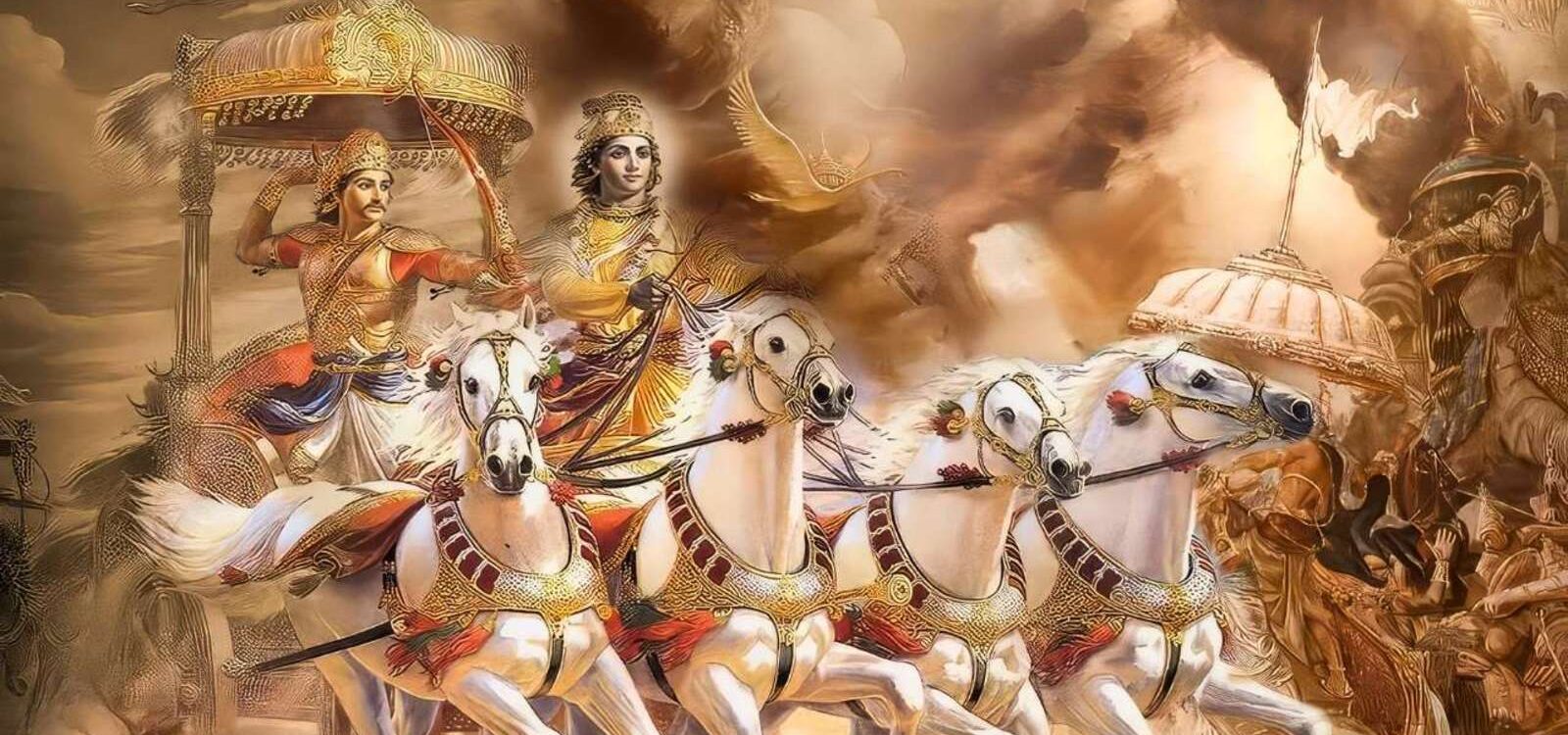

BUDDHISM
Buddhism is one of the world’s oldest spiritual traditions, originating in India over 2,500 years ago through the teachings of Gautama Buddha. Centered on the pursuit of wisdom, compassion, ethical living, and liberation from suffering, Buddhism has profoundly influenced philosophy, art, literature, architecture, and culture across Asia and beyond. Its rich heritage, preserved through sacred texts, monasteries, pilgrimage sites, and living traditions, continues to inspire seekers of peace, mindfulness, and spiritual understanding.
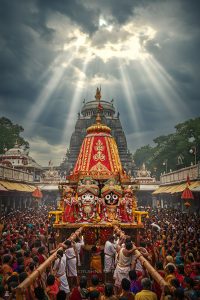
FESTIVALS
Festivals are vibrant expressions of India’s cultural, spiritual, and social traditions, celebrated with great enthusiasm across its diverse communities. Marking religious observances, seasonal changes, historical events, harvests, and regional customs, these celebrations bring together families and communities through rituals, music, dance, food, and shared traditions. Reflecting the country’s remarkable diversity, Indian festivals preserve ancient customs while fostering unity, joy, and cultural continuity across generations.
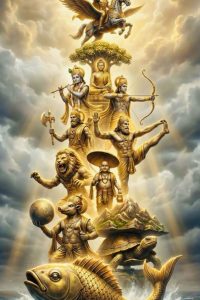
HINDUISM
Hinduism is one of the world’s oldest living spiritual traditions, with roots extending deep into the Indian subcontinent’s ancient civilization. Encompassing a vast body of philosophical thought, sacred literature, rituals, festivals, and diverse paths of worship, it reflects a holistic vision of life that embraces spirituality, ethics, knowledge, and harmony with nature. Its enduring traditions continue to shape India’s cultural identity while inspiring millions across the world through timeless wisdom and profound spiritual insights.
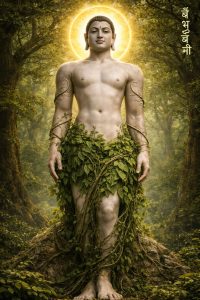
JAINISM
Jainism is an ancient Indian spiritual tradition founded upon the principles of non-violence (Ahimsa), truth, self-discipline, and the pursuit of liberation through ethical living. Guided by the teachings of the Tirthankaras, particularly Lord Mahavira, Jainism emphasizes compassion for all living beings, simplicity, and spiritual self-realization. Its rich philosophical heritage, sacred literature, magnificent temples, and enduring traditions have made lasting contributions to India’s religious, cultural, and intellectual landscape.
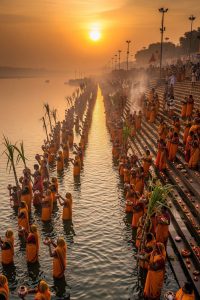
PILGRIMAGES
Pilgrimages have been an integral part of India’s spiritual and cultural life for thousands of years, drawing devotees to sacred temples, rivers, monasteries, shrines, mountains, and other revered places. These journeys are undertaken as acts of faith, devotion, self-reflection, and spiritual growth, often carrying deep historical and cultural significance. Across diverse religious traditions, India’s pilgrimage routes continue to preserve ancient customs while offering seekers opportunities for inner transformation and a deeper connection with the sacred.
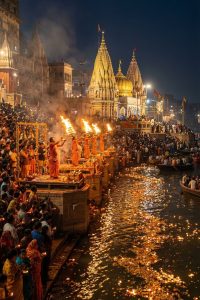
RITUALS
Rituals are sacred practices that embody the spiritual, cultural, and philosophical traditions of India’s diverse religious heritage. Performed on occasions ranging from daily worship and life-cycle ceremonies to festivals and seasonal observances, these practices express devotion, gratitude, discipline, and reverence for the divine. Rooted in ancient scriptures and regional traditions, Indian rituals continue to strengthen cultural identity while connecting individuals and communities with enduring spiritual values.
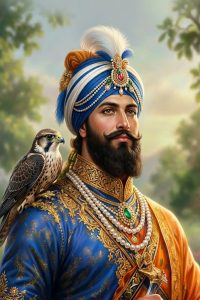
SIKHISM
Sikhism is a monotheistic faith that emerged in the Indian subcontinent through the teachings of Guru Nanak Dev Ji and the successive Sikh Gurus. Rooted in the principles of devotion to one God, equality, selfless service, honest living, and compassion, Sikhism has developed a rich spiritual and cultural tradition centered around the Guru Granth Sahib and the institution of the Gurdwara. Its teachings continue to inspire people through values of humanity, courage, justice, and community service.
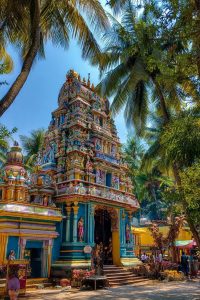
TEMPLE TRADITIONS
Temple Traditions encompass the rituals, customs, festivals, architectural practices, devotional services, and cultural heritage associated with India’s temples. Beyond being places of worship, temples have long served as centres of learning, art, music, dance, community life, and spiritual practice. Passed down through generations, these living traditions preserve ancient knowledge systems, regional customs, and sacred ceremonies, reflecting the enduring role of temples in India’s religious and cultural landscape.