
Art & Heritage
FOLK ARTS
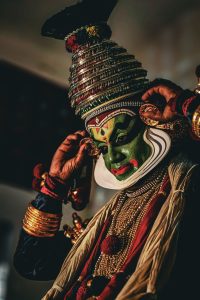
Folk Arts represent the traditional artistic expressions of communities that have been nurtured and transmitted across generations through oral, social, and cultural traditions. In India, folk arts encompass a rich variety of regional paintings, crafts, music, dance, storytelling, ritual art, and decorative traditions that reflect the beliefs, customs, festivals, and everyday lives of diverse communities. These living traditions preserve local identities, indigenous knowledge, and collective cultural memory, making folk arts an integral part of India’s vibrant and enduring heritage.
HERITAGE CONSERVATION
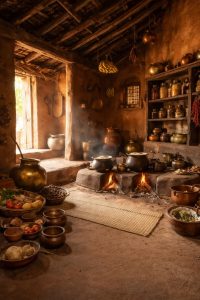
Heritage Conservation is the protection, preservation, restoration, and sustainable management of cultural and historical assets for the benefit of present and future generations. In India, it involves safeguarding monuments, archaeological sites, temples, manuscripts, artworks, traditional crafts, historic buildings, and intangible cultural traditions that embody the nation’s civilizational legacy. Through scientific conservation, documentation, research, and community participation, heritage conservation helps maintain the authenticity, historical significance, and cultural continuity of India’s diverse heritage.
HERITAGE MANAGEMENT
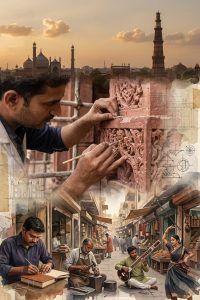
Heritage management is the professional practice of identifying, protecting, conserving and sustainably using cultural and natural heritage resources. It blends history, archaeology, architecture, and environmental science to safeguard historical sites, monuments, and traditions for future generations.
BROWSE PREMIER TITLES

INDIAN PAINTING
Indian Painting encompasses the diverse traditions of visual art that have evolved across the Indian subcontinent over thousands of years. From prehistoric rock paintings and classical murals to courtly miniatures and regional folk styles, Indian painting reflects a rich synthesis of spirituality, mythology, history, nature, and cultural expression. Through varied techniques, themes, and regional schools, it preserves the artistic imagination, philosophical thought, and aesthetic traditions that have shaped India’s cultural heritage across different eras.
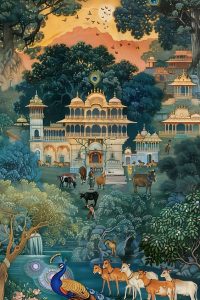
MINIATURES
Miniatures are finely detailed small-format paintings renowned for their intricate craftsmanship, vibrant colours, and refined artistic expression. In India, miniature painting flourished under various regional courts and cultural traditions, including Mughal, Rajput, Pahari, Deccan, and other schools of art. These paintings depict themes from epics, mythology, literature, courtly life, nature, and devotional traditions, offering valuable insights into India’s artistic sophistication, cultural patronage, and historical imagination.
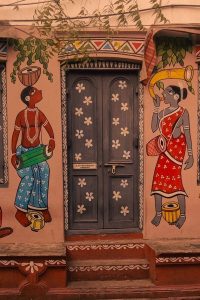
MURALS
Murals are large-scale paintings created directly on walls, ceilings, and architectural surfaces, serving as enduring expressions of artistic and cultural heritage. India’s mural traditions span from the ancient Buddhist caves of Ajanta to the temple and palace murals of Kerala, Rajasthan, and other regions. Rich in symbolism, narrative, and devotional themes, these works preserve stories from religion, mythology, history, and everyday life while showcasing the remarkable techniques and aesthetic achievements of Indian painters across centuries.
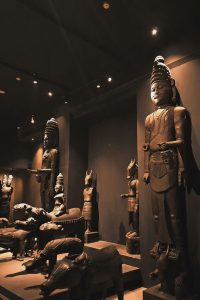
MUSEUM STUDIES
Museum Studies is the interdisciplinary field concerned with the collection, preservation, documentation, interpretation, exhibition, and management of cultural and historical objects. In the Indian context, it involves the study of museums that safeguard artifacts ranging from archaeological discoveries and sculptures to manuscripts, paintings, textiles, and ethnographic collections. The discipline plays a vital role in preserving India’s diverse heritage and making it accessible for education, research, and public appreciation.
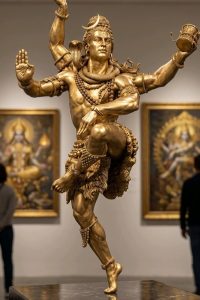
SCULPTURES
Sculptures are three-dimensional artistic creations carved, modeled, cast, or constructed from materials such as stone, metal, wood, terracotta, and other mediums. Indian sculpture has a continuous tradition stretching from the Indus Valley Civilization to the present day, encompassing religious icons, temple carvings, royal portraits, narrative panels, and decorative forms. Renowned for its spiritual symbolism, technical excellence, and artistic diversity, Indian sculpture remains one of the most significant expressions of the nation’s cultural and civilizational heritage.